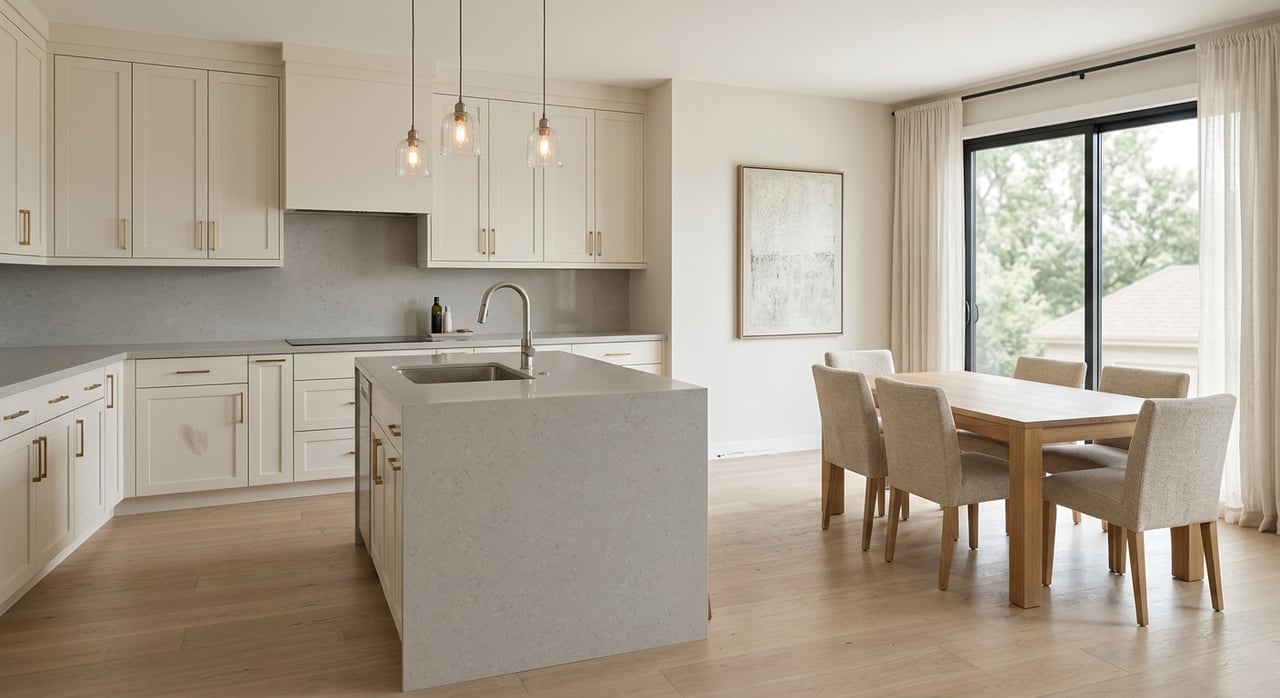
If you want to sell your San Ramon home on a specific timeline, the work often starts much earlier than most people expect. You are not just preparing for photos and showings. You are also working through permits, disclosures, HOA documents, and the many small details that help a listing launch cleanly and confidently. This guide will help you map out a realistic path from first idea to listing day so you can move forward with less stress and better timing. Let’s dive in.
Why timing matters in San Ramon
San Ramon homes can move quickly once they hit the market. Recent local market data shows homes going pending in about 13 days on average, with an average sale-to-list price near 99.6% and 46.7% of homes selling above list price. At the same time, 25.4% of homes have had price drops over the last three months, which is a reminder that a strong launch still matters.
That combination creates an important takeaway for sellers. You want the home to look polished, but you also want the paperwork and planning done before the listing goes live. In a market that can move fast, it helps to do the slow work early.
Build your sale timeline backward
One of the smartest ways to plan your sale is to start with your ideal move window and work backward. Your listing date is only one milestone. You also need to think about prep time, offer timing, escrow, and the actual closing and county recording that complete the transfer.
In California, escrow closes only after all agreed conditions are met. If financing is involved, loan funding must happen, and the closing is not complete until documents are recorded with the county. That is why your true moving timeline may be longer than your listing timeline.
A realistic San Ramon seller roadmap
9 to 12 months before listing
This is the planning phase. If you are even thinking about selling within the next year, now is a good time to define your goals, likely timing, and the level of preparation your home may need.
It is also the right time to begin gathering records. If you obtained title within the last 18 months, California now requires disclosure of certain contractor-performed room additions, structural modifications, alterations, or repairs over $500, including contractor names and copies of permits. If your home has been recently improved, starting early can save you from a last-minute paper chase.
A simple first step is to create one folder for key records. Include contractor invoices, permit cards, final inspection sign-offs, warranties, and any HOA approvals connected to past work. That file can make disclosure prep much smoother later.
6 to 9 months before listing
This is the phase to tackle repairs, updates, and anything that may involve permits or HOA review. In San Ramon, permit timing can shape your sale schedule more than many sellers realize.
According to the City of San Ramon, permit applications are typically processed in 5 to 10 business days. If review is required, plan-check comments are returned within 10 business days after routing, and a final inspection is required before sign-off. The city also notes that HOA approvals may be needed before permit issuance.
That matters because even projects that feel minor can trigger permit steps. For example, San Ramon requires a building permit for window installation and replacement. If you are planning pre-sale improvements, this is a strong reason not to wait until the last month.
If your property is in an HOA, treat HOA review as a real timeline item. The city notes that while it does not enforce CC&Rs, failure to comply can lead to substantial delays and even litigation. In practical terms, that means HOA paperwork should be part of your prep schedule, not an afterthought.
3 to 6 months before listing
Now the focus shifts from repairs to presentation and compliance. This is the ideal window to start organizing disclosures, planning staging, and getting your listing strategy into shape.
California’s Transfer Disclosure Statement must be delivered as soon as practicable before transfer of title. If a required disclosure is delivered after an offer is executed, the buyer may have a short cancellation window depending on delivery method. That is one reason disclosure work should start well before launch week.
This is also when agency paperwork typically enters the picture. California law requires the seller’s agent to provide the agency disclosure form before entering into the listing agreement. Your initial strategy conversation is not just about price and timing. It is also the point where representation and compliance begin.
If your home is in a common-interest development, request HOA resale documents early. California law requires the owner of a separate interest to provide specified HOA documents to a prospective purchaser as soon as practicable before transfer of title or execution of a sales contract. For many San Ramon condos and townhomes, this can be a key part of staying on schedule.
0 to 2 months before listing
This is the visible part of the process. At this stage, you are usually finishing repairs, confirming staging, scheduling photography, and preparing the home for market.
It is also the point where all of the earlier work starts paying off. When permits are closed out, records are organized, and disclosures are already underway, you can focus on presentation instead of scrambling through paperwork.
For sellers in San Ramon, that is often the difference between a smooth launch and a delayed one. A polished listing is important, but a polished process is just as valuable.
San Ramon details that can affect your schedule
Permit timing is real timing
In San Ramon, permits can involve review by Planning, Building and Safety, and Engineering when applicable. Since final inspection is required before sign-off, unfinished permit work can easily push back your listing date.
If you know you want to sell, verify permit history early. This is especially important if there were recent renovations, system upgrades, or window and door work. The earlier you identify missing paperwork or open permits, the more options you have.
HOA approvals can slow things down
If your property is subject to HOA rules, factor those requirements into your planning from the start. Approval steps may affect improvement work before a permit is even issued.
Even when the home itself is market-ready, HOA documents can still create timing pressure later. If your sale involves condo or townhouse ownership, starting the HOA document process early can help avoid delays once a buyer is in the picture.
California disclosures take preparation
California sellers should expect disclosure prep to be a meaningful part of the timeline. The Transfer Disclosure Statement covers the property’s physical condition and known issues, and the Natural Hazard Disclosure process may also apply.
The 2025 DRE update notes that the Natural Hazard Disclosure statement for single-family residential property must indicate whether the property is in a high fire hazard severity zone and whether it is in a state responsibility area or local responsibility area. You do not need to become an expert in the forms, but you do want time to assemble accurate information.
What to gather first
If you are just getting started, focus on the documents most likely to support a clean listing launch:
- Notes on known property conditions, repairs, and past issues
- Permit records and final inspection sign-offs
- Contractor invoices, names, and warranties
- HOA approvals for past work, if applicable
- HOA resale documents, if applicable
- Records for recent contractor-performed work that may fall under California’s updated disclosure rules
The goal is simple. You want one organized file that supports pricing conversations, disclosure prep, and buyer confidence.
Why a strong pre-listing plan helps your sale
In a market like San Ramon, speed after launch can reward sellers who are prepared. If homes are going pending quickly, you may not have much time to fix paperwork issues once buyers are already paying attention.
That is why the best timeline often starts earlier than expected. By handling repairs, permits, disclosures, and HOA items in advance, you give yourself the best chance to launch with confidence and respond smoothly once offers come in.
This is also where experienced, hands-on guidance can make a real difference. A well-run sale is not only about listing at the right price. It is also about coordinating the moving parts behind the scenes so your timeline stays realistic from day one.
If you are thinking about selling in San Ramon and want a tailored plan for your home, prep scope, and ideal move date, Cynthia Money can help you map out the right timeline with thoughtful strategy, elevated marketing, and attentive support from start to finish.
FAQs
How far in advance should I start planning a San Ramon home sale?
- If your home needs only light cosmetic prep, you may need less lead time, but homes with repairs, permit work, HOA requirements, or disclosure cleanup often benefit from starting several months in advance. In San Ramon, permit review and HOA steps can add real scheduling time.
What paperwork should I gather first for a San Ramon home sale?
- Start with permit records, final inspection sign-offs, contractor invoices, notes on property condition, HOA documents if applicable, and records tied to recent contractor-performed work that may require additional California disclosures.
Why should I prepare disclosures before listing my San Ramon home?
- California requires key seller disclosures as part of the transaction, and late delivery can create complications. Starting early gives you more time to organize accurate information and avoid delays after an offer is accepted.
Do San Ramon sellers need to think about permits for small upgrades?
- Yes, sometimes. For example, the City of San Ramon states that window installation and replacement require a building permit, which shows why even modest pre-sale projects should be checked early.
What is the biggest timeline mistake San Ramon sellers make?
- A common mistake is waiting until the home looks ready before starting the administrative work. In many cases, permits, HOA items, disclosures, escrow conditions, and recording timelines are what determine how smooth the sale actually feels.