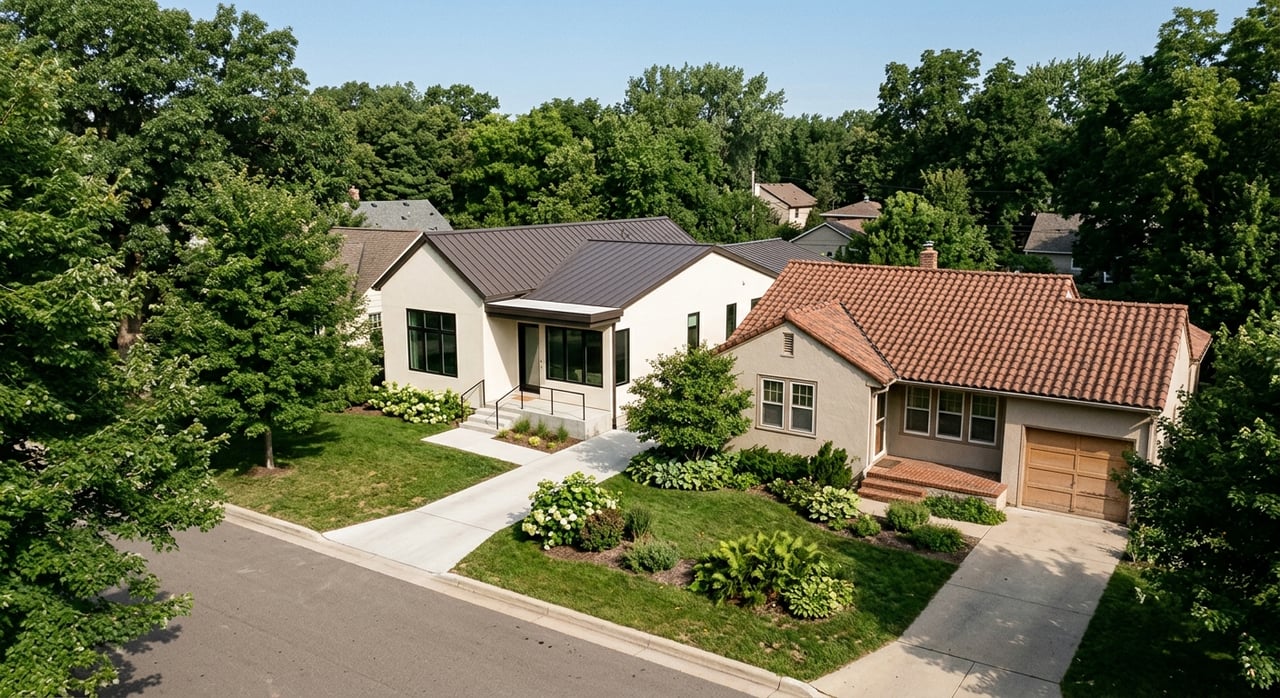
Trying to choose between a brand-new build in a growing Pleasanton community and a well-kept resale on a tree-lined street? You are not alone. Both paths can work well here, and each comes with distinct timelines, costs, and responsibilities. In this guide, you will learn how Pleasanton’s codes, fees, inspections, warranties, and neighborhood dynamics shape your decision so you can buy with confidence. Let’s dive in.
Pleasanton market context
Pleasanton is known for limited inventory and premium pricing compared with national averages. Local reporting places single-family prices in the upper mid six-figures to low seven-figures range, and conditions shift quickly as new projects come online. For current local color, see Pleasanton Weekly’s coverage of recent market and planning activity in the area, including inventory coming to Busch Road and Valley Avenue. Pleasanton Weekly has recent context.
What is standard in new builds
New Pleasanton homes are shaped by California and city-level energy rules. Most low-rise new homes include rooftop solar to comply with the state’s Title 24 energy standards. The California Energy Commission explains how new homes integrate solar in code-compliant designs. Review the Title 24 energy standards.
Pleasanton also adopted local Green Building Code amendments that make EV-readiness and all-electric pathways common features. This usually means conduit, panel capacity, or a Level 2-ready space at the garage is part of the baseline, not a premium add-on. You can read the city’s ordinance language on Pleasanton’s Green Building Code.
Design-wise, you will often see open-plan kitchens, energy-efficient systems, and contemporary finishes in new communities. Resale homes may offer larger lots, mature landscaping, and a settled neighborhood feel. Think about how you live day to day and which features matter most.
Timeline and process differences
Buying a new home can be quick or take many months, depending on build stage:
- Move-in-ready spec homes: Often close in a similar 30 to 90 days as a resale, subject to financing and title.
- To-be-built homes: Expect several months from contract to completion while permits, selections, and construction move forward.
Pleasanton routes plan review, permits, and inspections through the City’s Permit Center, and builders manage this process for production communities. If you are buying new, ask for the permit or plan check number so you can understand progress and required inspections. Learn more on the City of Pleasanton Permit Center page.
Inspections and due diligence
City inspections cover major milestones, but they do not replace your own due diligence. For new builds, many buyers schedule independent inspections at pre-drywall, mechanical/roof, and final walkthrough stages, followed by an 11-month warranty check. Confirm your access rights and timing in writing within the builder contract.
For resales, you will rely on a full home inspection and targeted follow-ups, plus local disclosures and permit history. In California, lenders and buyers often request Wood Destroying Organism (WDO) inspections, and licensed inspectors file official reports. You can learn how WDO is regulated through the State Structural Pest Control Board.
Warranties and your rights in California
New construction is backed by California’s SB 800, also called the Right to Repair law. This sets minimum construction standards and a pre-litigation process for defect claims. You should receive a statutory notice and warranty documents from the builder. Read the statute overview on California’s SB 800 page.
Builders also commonly offer a tiered warranty that looks like 1 year on workmanship, 2 years on systems, and 10 years on structural items. Many enroll homes with third-party administrators for structural coverage, which define what is and is not covered. Review an example of common practice via a third-party structural warranty overview. Remember, a 10-year structural warranty is not a blanket guarantee. It typically applies to defined load-bearing defects, and cosmetic or settling issues may be excluded.
Costs, fees, taxes, and HOAs
When a home is newly built from the ground up, developers pay city and outside-agency impact and connection fees during permitting. In Pleasanton, these can be substantial and are usually reflected in the home’s price. The city’s fee nexus study shows how capital facilities, traffic, water, sewer, and housing fees add up. Review the city’s fee nexus study and examples, and ask for the specific schedule for your lot or plan.
Property taxes in California are based on your assessed value under Proposition 13, which is typically about 1 percent plus voter-approved bonds and assessments. Newer master-planned communities may include special taxes through Community Facilities Districts, also known as Mello-Roos, that increase annual costs. For basics on state and local tax layers, see this overview of how California property tax works within overall revenues.
Many new subdivisions include a homeowners association with CC&Rs. You will receive budgets and draft documents, but reserve studies and dues can evolve as a community matures. For resales, you can review historical financials and rules before you commit. Always compare HOA obligations, rules, and reserves across options.
Financing and negotiation
With new construction, builders often favor incentives over price cuts. You may see rate buydowns through a preferred lender, closing cost credits, or upgrade packages. For resales, pricing and repair credits can be more flexible depending on market conditions. If you buy early in construction, you may need a specific loan type and longer rate lock. Appraisal and documentation timelines are governed by lender and GSE rules. For process basics, consult the Fannie Mae selling guide section on appraisals and timing.
Neighborhood maturity and lifestyle
Mature Pleasanton neighborhoods often deliver established trees, finished infrastructure, and a clear sense of place near parks and services. Newer communities bring the latest energy standards, smart infrastructure, and fresh design, but landscaping, amenities, and traffic improvements take time to reach full stride.
Large projects are planned or approved near Busch Road and Valley Avenue, as well as on the east side of Pleasanton. For example, the Villages at the Quarry is moving through multi-year buildout and environmental mitigation steps. You can track filings on the CEQA project page for Villages at the Quarry.
Quick decision guide
Use these prompts to align your purchase with your goals:
- If you need to move within 60 to 90 days, explore move-in-ready specs and resales first. If your timeline is flexible, a to-be-built home can widen your options.
- If you value solar, EV readiness, and energy efficiency built in, new construction will likely deliver that baseline by code.
- If you prefer larger lots, mature trees, and immediate neighborhood character, resales may fit best.
- If you want predictable maintenance within warranty windows, new builds can help, but still plan for punch-list fixes. Resales need thorough inspections and a repair plan.
- If you are budget focused, compare the total monthly cost. Include taxes, special assessments, HOA dues, Mello-Roos, and utilities.
Smart questions to bring on tour
Use this checklist with a builder rep or a listing agent:
- What is included in the base price, and what counts as an upgrade? Appliances, landscaping, blinds, and garage door opener are common variables.
- Can I review the builder’s written warranty and any third-party certificate, including claim procedures and transfer rules?
- What independent inspections are allowed and when? Please confirm pre-drywall, mechanical, final walkthrough, and an 11-month warranty review.
- Is the lot subject to a Community Facilities District or special assessments? Please provide the parcel’s estimated tax schedule and disclosures.
- Which local fees and connection charges apply to this plan, and can you provide samples from a similar home?
- Is solar included, and if so, is it owned or leased? What is the system size used to meet Title 24?
- What EV readiness is included? Is there conduit, panel capacity, or a Level 2 outlet in the garage?
- What is the plan check or permit number, and when is the final Certificate of Occupancy expected? Will you provide a copy before closing?
- Are there incentives for using a preferred lender, and are they negotiable in writing?
- For resales: can I review WDO reports, seller disclosures, permit history, and utility bills, and schedule all recommended inspections?
Your next step
Choosing between new construction and a resale in Pleasanton comes down to how you live, how soon you need to move, and how you want to manage costs over time. A clear comparison of build standards, timelines, warranties, inspections, and taxes will help you buy with confidence. If you want a calm, concierge-style process, expert negotiation, and local insight on upcoming inventory, connect with Cynthia Money for a personalized plan.
FAQs
How does a Pleasanton new build closing timeline compare to a resale?
- Move-in-ready new homes often close in 30 to 90 days like a resale, while to-be-built homes can take several months as permits, selections, and construction progress.
What inspections should I order for a newly built home in Pleasanton?
- Hire independent inspectors for pre-drywall, mechanical/roof, and final walkthrough stages, then add an 11-month warranty check even though the city performs its own inspections.
What Pleasanton fees affect the cost of a new home?
- Development impact and connection fees are paid during permitting and usually reflected in the price; ask for the current fee schedule and sample invoices for your specific lot.
How do California property taxes and Mello-Roos affect payments?
- Your base tax is about 1 percent of assessed value plus bonds and assessments, and some new communities add a Mello-Roos special tax that increases annual costs.
What does California’s SB 800 warranty process mean for buyers?
- SB 800 sets standards and a required notice process for defect claims; read your builder’s warranty to understand coverage limits and how to submit and escalate requests.
Do 10-year structural warranties cover everything in a new home?
- No; they usually cover defined load-bearing structural defects, while cosmetic items and normal settling are often excluded, so review the certificate for exact terms.