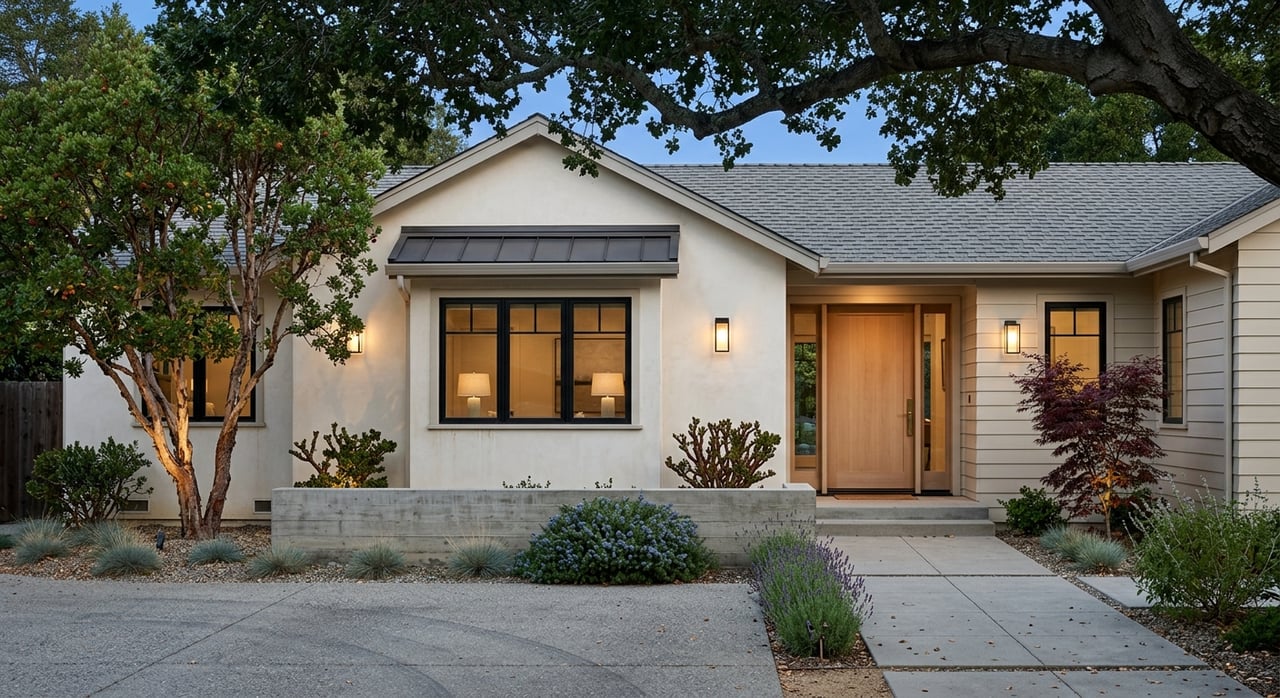
What makes a luxury home stand out in Alamo today? It is not just price, square footage, or a long list of upgrades. In a market where many buyers start online and compare homes carefully before they ever book a tour, presentation has to do real work. If you are preparing to sell, this guide will show you what high-end buyers expect from luxury listing marketing in Alamo and what you should look for in a strategy that is built to perform. Let’s dive in.
Why Alamo Marketing Has to Be Precise
Alamo is a distinctive luxury market. Contra Costa County reports a homeownership rate of 91.8% in Alamo, median household income above $250,000, and median owner-occupied home values above $2,000,000. Zillow estimated the average Alamo home value at $2,561,798, with a median list price of $2,869,000 and 44 homes for sale as of May 31, 2026.
That context matters because it points to a buyer pool that is selective, informed, and used to evaluating quality. Contra Costa County also reports a 98.2% broadband internet subscription rate in Alamo, which supports what many sellers already sense: buyers are seeing your home online first, and often making early judgments before they step inside.
In other words, luxury listing marketing in Alamo is not about doing more for the sake of appearance. It is about presenting the home clearly, beautifully, and honestly so buyers can understand its value right away.
What High-End Buyers Notice First
According to NAR, 52% of buyers found the home they purchased online, and 81% rated listing photos as the most useful feature during their search. Zillow’s 2025 buyer survey adds another important layer: floor plans ranked first at 33%, high-resolution photos ranked second at 26%, and 3D or virtual tours ranked third at 20%.
That means buyers are not only looking for visual appeal. They also want clarity. They want to understand how the home lives, how spaces connect, and whether the layout fits their daily routines.
For an Alamo luxury listing, the first impression usually comes down to four things:
- A strong lead image
- A clean, well-planned photo sequence
- An easy-to-read floor plan
- Visuals that help buyers understand layout and livability
Video can still support a campaign, but the research suggests that practical visual tools often matter more than flashy production alone.
Photos Need to Do More Than Look Beautiful
In a high-value market, polished photography is expected. The real question is whether the photos help a buyer picture the home clearly and confidently. A beautiful image that hides the flow of the property or skips key spaces can create more questions than interest.
NAR’s guidance on online visibility points to the importance of making listings easy to understand from the start. For luxury sellers, that means every image should have a purpose. The hero photo should create instant appeal, while the rest of the gallery should tell a logical story from arrival to main living areas to private rooms and outdoor space.
Twilight photography and drone imagery can also be useful when they fit the property. NAR notes that agents sometimes change the lead image between daytime and twilight photography to create a fresh first impression, and its technology survey shows that 52% of REALTORS® use drone photography or video. In Alamo, aerial views can be especially helpful when a home’s setting, lot shape, or relationship to surrounding landscape adds value.
Floor Plans Matter More Than Many Sellers Realize
If you only remember one takeaway, make it this one: buyers want to understand the floor plan. Zillow’s 2025 survey ranked floor plans as the most valued listing feature, ahead of photos and virtual tours.
That is especially relevant in Alamo, where many buyers are shopping for a primary residence and thinking about daily function. Zillow found that 75% of prospective buyers intended to use the home as their primary residence, and 59% had been shopping for six months or longer. These are not casual browsers. They are comparing homes carefully and looking for the best fit.
A floor plan helps answer the questions photos alone cannot:
- How do the main living spaces connect?
- Is there separation between public and private rooms?
- Is there flexible space for guests, work, or hobbies?
- How does the indoor-outdoor flow work?
When a listing makes those answers easy to find, buyers can move forward with more confidence.
Staging Still Has Real Impact
Luxury buyers expect a home to feel finished, inviting, and ready to experience. NAR’s 2025 staging report found that 83% of buyers’ agents said staging helps buyers visualize a home as a future residence.
The same report found that the most commonly staged rooms were the living room, primary bedroom, dining room, and kitchen. Those are often the rooms where buyers make the fastest emotional and practical judgments, so they deserve special attention.
Staging can also affect results. NAR reported that 29% of agents saw staged homes receive a 1% to 10% increase in dollar value offered, and almost half said staging reduced time on market. For a luxury seller, that can translate into meaningful financial value.
If the budget or timeline is limited, the smartest approach is usually to stage the spaces that drive the strongest first impression and help define how the home lives. In many homes, that includes:
- Living room
- Primary bedroom
- Kitchen
- Dining room
- Home office, if applicable
- Outdoor entertaining areas, if applicable
Virtual Staging Has Limits
Virtual staging can be useful, but it should be used with care. NAR’s staging data shows that physical staging carries more weight with buyers’ agents than virtual staging, and 38% said virtual staging was of less importance.
There is also an expectation gap to watch. NAR found that 48% of respondents said buyers expected homes to look like they were staged on TV, while 58% said buyers felt disappointed when homes did not match that expectation. That is a risk no luxury seller wants to create.
If virtual staging or AI-enhanced imagery is used, it should be clearly labeled and consistent with the home’s actual condition. The goal is to clarify potential, not to overpromise.
Listing Copy Should Answer Real Questions
Strong luxury marketing is not only visual. The words matter too. But in today’s market, listing copy works best when it reads more like a property brief than a glossy brochure.
NAR says listing descriptions perform best when they answer common buyer questions up front and stay clear and relevant. Buyers respond to details tied to everyday living and long-term value, including energy-efficient upgrades, flexible office or guest spaces, smart home features, and usable outdoor areas.
That matters because many buyers are doing deep research before reaching out. Zillow found that 68% of prospective buyers had already viewed homes for sale on a real estate website. When they land on your listing, the description should help them understand updates, condition, layout, and practical lifestyle fit without vague hype.
Good luxury copy should help a buyer quickly grasp:
- What has been updated
- How the floor plan functions
- Which spaces are flexible
- How indoor and outdoor areas connect
- What makes the home feel easy to live in
In Alamo, where many buyers are searching for a primary residence, that kind of clarity can be more persuasive than overly clever language.
The First 72 Hours Are Critical
NAR notes that the first few days after a listing goes live carry outsized weight. Early views, saves, and shares can influence whether a property gains traction or starts to fade into the background.
For that reason, a luxury listing plan should include a thoughtful launch, not just a publication date. You want the home to hit the market with the right visuals, the right copy, and the right supporting materials already in place.
A strong early launch should include:
- Complete photo package
- Clear floor plan
- 3D or virtual tour
- Well-crafted listing copy
- Intentional lead image selection
- Distribution strategy for broad and relevant exposure
This is where presentation and timing work together. If buyers are most active at launch, the home needs to be fully ready from day one.
What Alamo Sellers Should Ask Before Hiring an Agent
If you are interviewing agents, ask for specifics. In NAR’s 2025 profile, sellers said they place a high priority on help marketing the home, pricing it competitively, and selling within a specific timeframe. That means a real marketing plan should be documented and measurable.
Before signing a listing agreement, ask whether the strategy includes the following:
Documented Media Package
The plan should clearly spell out what will be produced. At a minimum, that may include high-resolution photography, a strong lead image, a floor plan, a 3D or virtual tour, and drone or aerial coverage when the property benefits from it.
Room-by-Room Staging Plan
You should know which rooms will be prioritized and why. If the home has standout outdoor space, a home office, or flexible guest areas, those spaces should be addressed in the plan.
Launch Strategy
Ask how the listing will be introduced in the first 72 hours. A luxury home should not rely on generic exposure. It needs a thoughtful rollout designed to generate attention early.
Clear Copy Strategy
The listing description should explain the home in plain language. You want copy that supports the visuals, answers real buyer questions, and reflects the property accurately.
Disclosure for Edited Images
If virtual staging or AI-edited imagery will be used, ask how it will be labeled. Transparency protects buyer trust and helps prevent disappointment during showings.
Why Boutique Service Plus Reach Matters
In Alamo’s luxury segment, sellers often want two things at once: hands-on attention and broad exposure. That combination matters because a high-end listing is rarely a one-size-fits-all project.
A boutique, relationship-driven approach allows for more careful planning around staging, visual storytelling, pricing strategy, and pre-sale preparation. At the same time, strong distribution helps ensure the listing reaches a wide audience of qualified buyers.
That balance is especially valuable in a market where buyers are patient, digitally savvy, and often comparing multiple premium options before making a move.
The Bottom Line for Alamo Sellers
Luxury listing marketing in Alamo works best when it is built around precision, not excess. Buyers want strong visuals, a clear floor plan, thoughtful staging, honest copy, and a launch plan that makes the most of the listing’s first impression.
If you are selling a high-end home, you should expect more than vague promises of premium exposure. You should expect a strategy that explains what will be done, why it matters, and how it helps your home connect with serious buyers.
If you are preparing to sell in Alamo and want a tailored plan for your home, Cynthia Money offers boutique, white-glove representation with polished marketing, strong negotiation, and hands-on guidance from prep to close.
FAQs
What do luxury buyers expect from an Alamo listing online?
- Luxury buyers in Alamo typically expect high-resolution photos, a clear floor plan, useful layout information, and a presentation that helps them understand how the home lives before they tour it.
Why are floor plans important in Alamo luxury home marketing?
- Floor plans help buyers understand room relationships, flow, and flexibility, which is especially important for buyers comparing primary residences and evaluating daily livability.
Does staging help luxury homes sell in Alamo?
- Yes. NAR’s 2025 staging report found that staging helps buyers visualize a home as a future residence, and many agents reported that staged homes saw stronger offers or less time on market.
Should an Alamo luxury listing include drone or twilight photography?
- It can, if those assets support the property well. Drone and twilight images work best as intentional tools that highlight setting, lot, or curb appeal rather than as decoration.
What should sellers ask an Alamo listing agent before signing?
- Sellers should ask for a written marketing plan that covers photography, floor plans, staging, launch timing, listing copy, distribution, and any policy for labeling virtual staging or AI-edited images.