What makes one luxury home feel unforgettable the moment it hits the market while another struggles to create the same momentum? In the East Bay’s high-price markets, presentation often shapes that answer early. If you are preparing to sell a luxury home in places like Alamo, Danville, San Ramon, or Pleasanton, professional staging can help buyers connect with the property faster and more confidently. Let’s look at how staging supports pricing, marketing, and stronger first impressions.
Why staging matters in East Bay luxury sales
In the East Bay luxury market, staging is not just about making a home look attractive. It is part of how your property is positioned against other high-value listings. Recent Bay East detached-home reports show median sales prices at $2.55 million in Alamo, $2.07 million in Danville, $1.74 million in San Ramon, and $1.58 million in Pleasanton, with homes generally selling near list price and spending about 24 to 40 days on market, according to the Bay East market report.
That context matters because in a market where buyers are already comparing premium homes closely, details carry weight. A staged home helps support the pricing strategy and gives your listing a more polished, competitive launch.
According to the National Association of Realtors 2025 Profile of Home Staging, 83% of buyers’ agents said staging made it easier for buyers to visualize a future home. The same report found that 49% of sellers’ agents saw shorter time on market, and 29% said staging increased the dollar value offered by 1% to 10%.
What professional staging actually includes
Professional staging is different from interior design. The goal is not to decorate for your personal taste. Instead, staging prepares your home so buyers can imagine themselves living there.
The NAR field guide to preparing and staging a house for sale describes staging as a process that can include cleaning, decluttering, repairing, depersonalizing, and updating the home. It can also involve adding furniture, accessories, and decor to create a cohesive look that photographs well and feels inviting in person.
RESA describes the process as a form of reverse design. That means removing anything that narrows the home’s appeal, then layering in neutral, broadly appealing elements that help the space feel open, functional, and elevated.
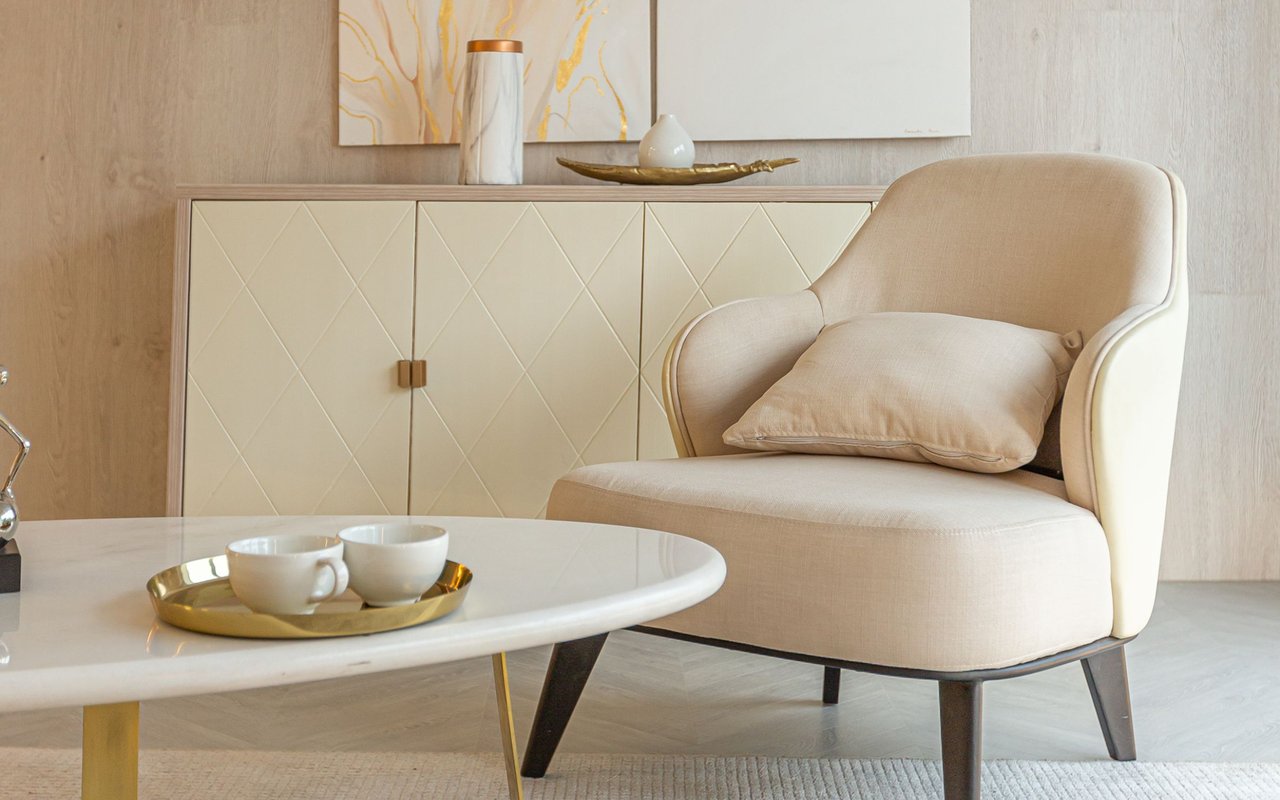
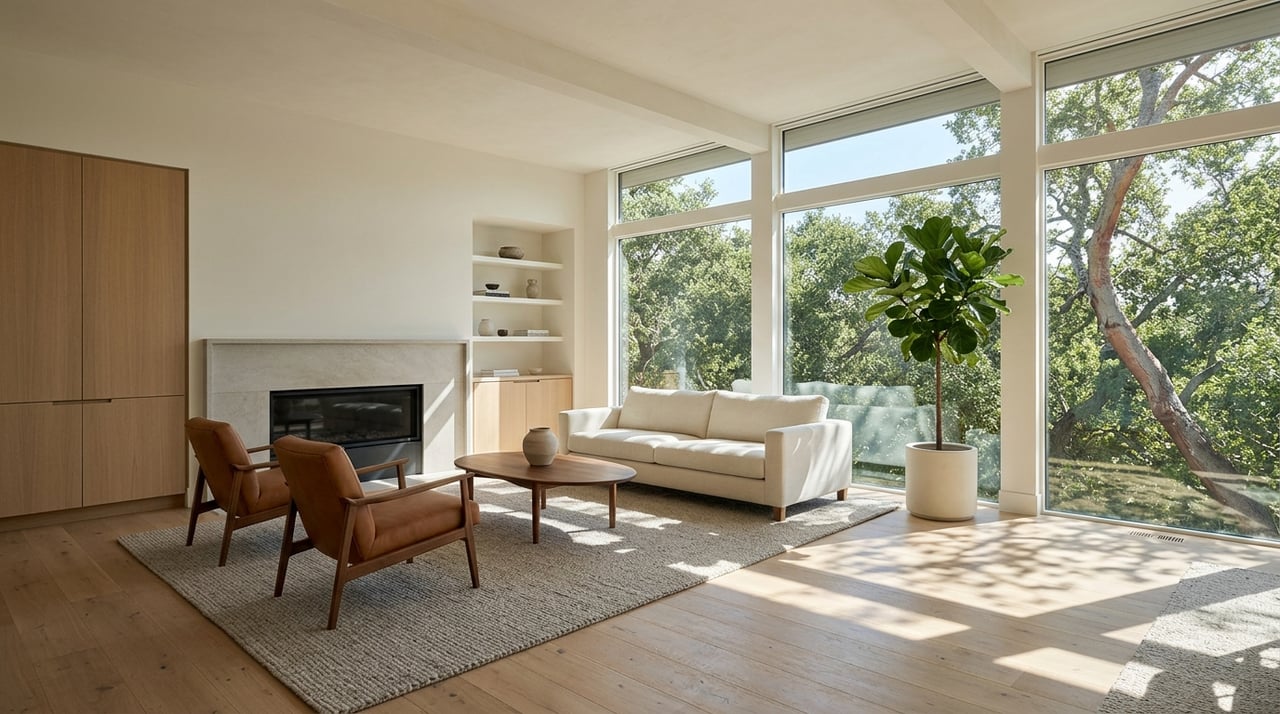
For luxury homes, the work is often more tailored. In NAR’s luxury staging coverage, luxury presentation may include designer furnishings, contemporary art, and refined accessories that support a lifestyle story. The rooms that usually matter most are the living room, primary bedroom, kitchen, dining room, and outdoor areas.
Why luxury buyers respond to staged homes
Luxury buyers are not only purchasing square footage. They are responding to a complete experience. A thoughtfully staged property helps them understand scale, flow, and how key rooms can be used.
This is especially important online, where your home will likely make its first impression through photography and video. NAR’s 2025 staging profile found that one in three buyers’ agents said clients were more likely to schedule a showing after seeing a staged home online. That is a meaningful advantage when your listing is competing for attention in a crowded digital environment.
The same report also found that 48% of respondents said buyers expect homes to look like TV-staged properties, while 58% said buyers were disappointed when homes did not. In other words, today’s buyers often arrive with high visual expectations, especially in the luxury segment.
Staging is part of the marketing strategy
The best luxury launches treat staging as the visual foundation of the entire campaign. It should not happen in isolation or as a last-minute add-on.
When your home is staged before photography, video, virtual tours, MLS marketing, open houses, and print materials are produced, the final presentation feels consistent across every channel. That consistency matters because buyers often see your property several times before they ever step inside.
According to the NAR 2025 staging profile, buyers’ agents ranked photos first in importance, followed by physical staging, videos, and virtual tours. The NAR 2025 generational trends report also shows that listing exposure is led by MLS websites, followed by signs, open houses, agent websites, social platforms, virtual tours, and video.
That tells you something important: if your listing visuals are strong from day one, you are better positioned to capture attention where buyers are already looking.
What staging can look like for your home
Not every staging plan looks the same. The right approach depends on whether your home is occupied, vacant, or somewhere in between.
Occupied staging
If you are living in the home while it is on the market, the stager may work with your existing furniture and recommend edits, storage, accessory swaps, and layout changes. This can make the home feel more spacious and less personalized without requiring a full installation.
Vacant staging
For vacant luxury homes, full staging is often the most effective option because empty rooms can feel smaller and less memorable. Furnished spaces help buyers understand room scale and see how the home lives.
Virtual staging
The NAR staging field guide notes that virtual staging can help with vacant or inhabited homes. For luxury listings, though, it works best as a supplement rather than a replacement for physical staging, since buyers will still experience the property in person.
Cost and timeline expectations
One of the most common questions sellers ask is whether professional staging is worth the investment. The answer depends on your home, your competition, and your launch strategy, but it helps to know the typical ranges.
NAR’s 2025 report says the median cost of using a staging service was $1,500, while RESA’s 2025 market snapshots show broader project-level averages of about $3,588 to $4,387, with many projects landing between $1,000 and $6,000 for the first 60 days. Larger vacant luxury homes often cost more because of inventory, transport, labor, and setup demands.
Staging also has a timeline component. According to the Real Estate Staging Association, many vacant staging contracts run 30 to 60 days, and renewal fees may apply if the property stays on the market beyond the initial term.
For a smoother launch, timing matters:
- Bring the stager in early
- Finish repairs and cleaning at least 24 hours before installation
- Schedule photography at least 24 hours after staging is complete
That sequence helps your listing look finished and intentional in every image.
How staging supports stronger pricing and negotiation
In East Bay luxury sales, presentation and pricing work together. A home that shows clearly and consistently can help reduce buyer hesitation and support stronger perceived value.
That does not mean staging guarantees a specific result. It does mean buyers are better able to appreciate the home’s layout, condition, and lifestyle potential when the presentation is working in your favor. In a market where many homes already sell near list price, reducing friction and strengthening first impressions can make a real difference.
This is where a coordinated strategy matters. Staging has the most impact when it is paired with thoughtful pricing, polished visual storytelling, and a launch plan that reaches buyers across digital and in-person channels.
What sellers should keep in mind
If you are considering staging before listing your East Bay luxury home, focus on the bigger picture. You are not simply renting furniture. You are shaping how buyers perceive the home from the first photo to the showing itself.
A strong staging plan should help your home:
- Feel move-in ready and well cared for
- Photograph beautifully across major marketing channels
- Highlight key rooms and outdoor living spaces
- Appeal to a broad pool of luxury buyers
- Support a polished, cohesive listing story
When staging is handled well, it becomes one part of a larger white-glove selling experience. That is often what luxury sellers want most: a process that feels organized, strategic, and tailored to the home.
If you are preparing to sell in the East Bay, Cynthia Money offers full-service listing representation with staging, photography, polished visual storytelling, and hands-on guidance from prep through closing.
FAQs
How does professional staging help luxury homes sell in the East Bay?
- Professional staging helps buyers visualize the home more easily, strengthens online presentation, and supports a more polished market launch in high-price East Bay communities.
What is the difference between staging and interior design when selling a Bay Area home?
- Staging is designed to prepare your home for sale by broadening buyer appeal through cleaning, decluttering, depersonalizing, repairs, and curated furnishings, while interior design is based on personal taste and long-term living.
How much does professional staging cost for an East Bay luxury listing?
- NAR reported a median staging cost of $1,500, while RESA reported broader project averages between about $3,588 and $4,387, with many projects ranging from $1,000 to $6,000 for the first 60 days.
Should vacant luxury homes in the East Bay be physically staged or virtually staged?
- Physical staging is generally the stronger option for luxury listings because buyers experience the home in person, while virtual staging can be useful as a supplemental marketing tool.
When should staging happen before listing a luxury home for sale?
- Staging should be planned early, with repairs and cleaning completed before installation and photography scheduled at least 24 hours after the staging is finished.
Which rooms matter most when staging a luxury home for sale?
- The rooms that usually matter most are the living room, primary bedroom, kitchen, dining room, and outdoor spaces, since these areas often shape buyers’ first impressions and lifestyle expectations.