Do you picture grabbing a latte on foot and strolling to dinner, or unwinding in a quiet backyard after work? If you are weighing life in downtown Pleasanton against a more suburban neighborhood, you are not alone. Each area offers a distinct rhythm, from walkable errands and events to extra space and privacy. This guide breaks down what daily life really looks like in both settings so you can pick the one that fits your routine. Let’s dive in.
Downtown Pleasanton at a glance
Downtown Pleasanton centers on the historic Main Street corridor with a tight grid of restaurants, boutiques, and civic spots like the Firehouse Arts Center and Museum on Main. The city and local groups host regular gatherings and street activities, which keep the area lively on evenings and weekends. You can explore current event calendars and programs on the City of Pleasanton’s website for a sense of the year-round rhythm. City of Pleasanton
Daily rhythm and errands
If you like to walk for coffee, lunch, and quick errands, downtown delivers. Many addresses in the Main Street core score in the mid 80s to mid 90s on Walk Score, which signals strong pedestrian access to daily needs. By contrast, Pleasanton’s broader city average is more car dependent. Walk Score overview
Housing types and outdoor space
Downtown has more condos, townhomes, and smaller single-family parcels than suburban tracts. Typical condo and townhome options often range around 600 to 1,100 square feet, sometimes with a patio or small yard rather than a full backyard. The tradeoff is simple. You give up private outdoor space for close access to dining, shops, and community events.
Parking and transit tips
Downtown offers a mix of on-street and municipal parking, though spaces can be tighter during events and weekend evenings. For regional transit, most residents drive or take a bus to the West Dublin/Pleasanton or Dublin/Pleasanton BART stations rather than walking. You can review station details and parking at West Dublin/Pleasanton on BART’s site. West Dublin/Pleasanton BART station
Local bus service from LAVTA (Wheels) connects downtown and many neighborhoods to BART and major job centers. If you plan to use bus-to-rail connections, check current routes and timing for smooth transfers. Wheels short-range transit plan
Events and weekend feel
Saturday mornings often start at the Pleasanton Farmers’ Market, and seasonal street festivals bring extra energy and foot traffic. Expect a friendly, social vibe within the core during these times, with calmer residential blocks as you move a few streets outward. Pleasanton Farmers’ Market
Suburban Pleasanton in practice
Suburban Pleasanton includes a range of established neighborhoods such as Ruby Hill, Vintage Hills, Birdland, Mission Park, and areas around Stoneridge. Boundaries are informal and used more as local descriptors than strict districts. Day to day, you will likely drive to grocery stores, activities, and parks, with quieter evenings across most tracts.
Space, lots, and privacy
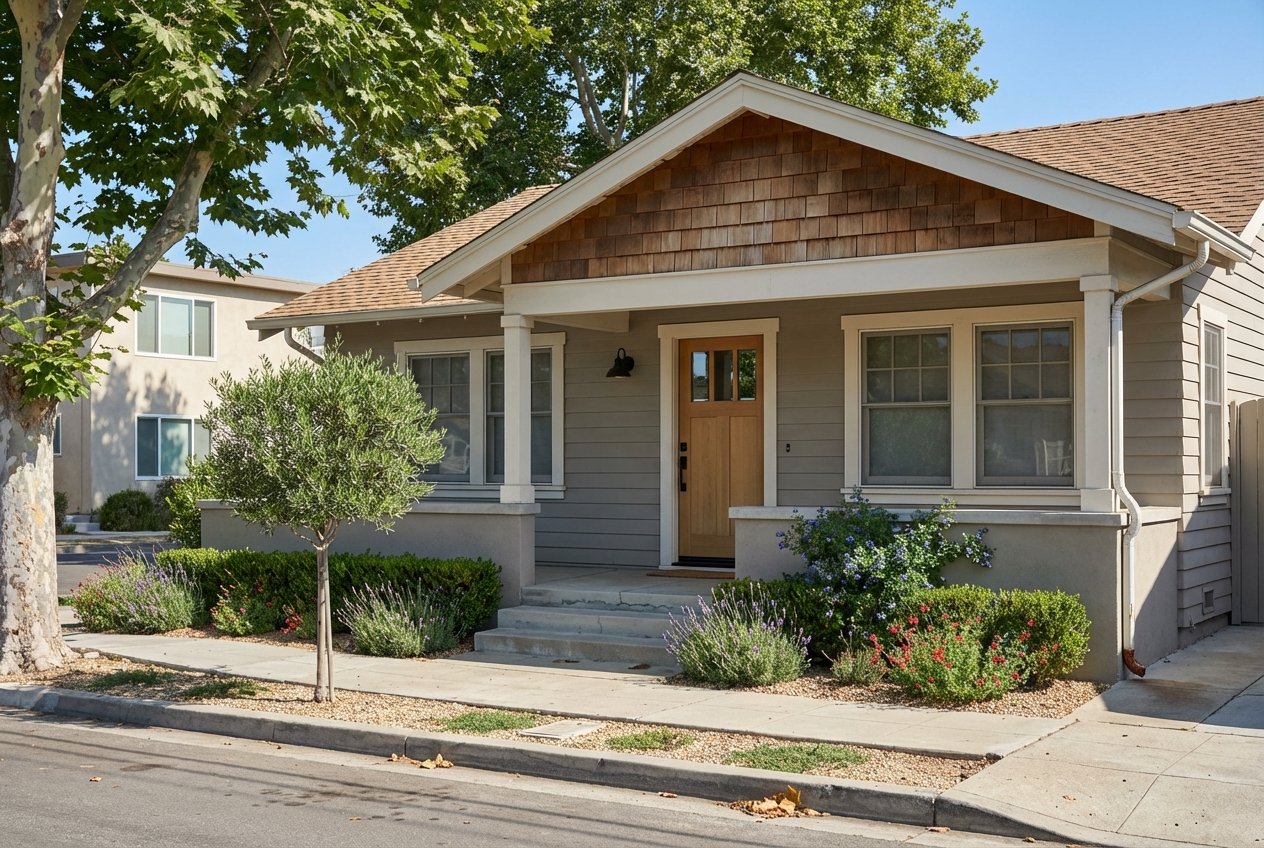
Detached single-family homes on larger lots are the suburban norm. Many areas offer private backyards suitable for outdoor dining, play, or gardening. In select tracts, you may also find community amenities such as pools and parks.
Commute and errands
Most suburban residents use a short drive or park-and-ride for BART. If your office is local, proximity to I-580 or I-680 can save time. Citywide, the mean travel time to work is about 34.3 minutes based on 2020–2024 ACS data, though your actual commute will vary by route and destination. Pleasanton QuickFacts
Cost and value signals
ACS 2020–2024 estimates show a median household income around $190,124 and a median value of owner-occupied housing of about $1,537,100 in Pleasanton. These figures help frame budget expectations when comparing downtown condos and townhomes with larger suburban single-family homes. Keep in mind that neighborhood premiums vary, and amenities like golf-course settings or gated entries can influence pricing. Pleasanton QuickFacts
Lifestyle check: your 5-minute test
Use these prompts to see which area fits your routine:
- Morning start: Do you prefer walking to coffee or stepping into a quiet yard with space to breathe?
- Errands and dining: Do you value a short stroll to shops and restaurants, or do you prefer driving for a bigger selection with simpler parking?
- Outdoor space: Do you need a larger private yard for pets, play, or hosting, or is a patio enough?
- Commute: Will you rely on BART or ACE at least a few days a week? If yes, prioritize a quick drive or bus link to the stations. West Dublin/Pleasanton BART station | Wheels connections
- Weekend scene: Do you want to be in the middle of events and restaurants, or do you prefer quieter evenings with park time and backyard gatherings? City of Pleasanton events | Farmers’ Market
Who tends to choose what?
- Downtown seekers: You value walkability, quick coffee runs, and easy dinners out. You prefer low-maintenance living and are comfortable with a smaller patio or shared spaces instead of a full backyard.
- Suburban space lovers: You want a private yard for outdoor dining or play, and you do not mind driving for errands. You like a calmer evening pace and weekend time at parks or home.
- Hybrid commuters: You split time between home and a regional office. You will likely want a location that offers a straightforward drive or bus ride to BART and quick access to I-580 or I-680.
Schools and enrollment notes
Pleasanton Unified School District serves most city neighborhoods, and families often consider specific attendance boundaries as part of their search. Because boundaries can change, confirm a home’s assigned schools directly with the district before you submit an offer. Pleasanton Unified School District
How to choose your Pleasanton fit
Start with your weekday routine and work backward. If walking to daily needs will reduce stress and add joy, downtown can be a great match. If privacy, space, and hosting are top priorities, target Pleasanton’s suburban tracts and note commute routes and station access.
When you are ready to compare live options or tour neighborhoods, reach out for local guidance and a search tailored to your routines. Connect with Cynthia Money to Request Your Personalized Consultation.
FAQs
What is considered “downtown Pleasanton” for housing and lifestyle?
- The historic Main Street core and surrounding blocks with shops, restaurants, and cultural venues, offering strong walkability and frequent community events.
How walkable is downtown compared to the rest of Pleasanton?
- Many downtown addresses score in the 85–95 range on Walk Score, while the broader city average is more car dependent. Walk Score overview
How far is downtown Pleasanton from BART stations for commuters?
- Downtown is a short drive or bus ride to West Dublin/Pleasanton or Dublin/Pleasanton BART rather than a walkable station hub. West Dublin/Pleasanton BART station
What home types are common in suburban Pleasanton neighborhoods?
- Predominantly detached single-family homes on larger lots that often provide more private outdoor space than downtown options.
How should I verify Pleasanton school boundaries before buying?
- Contact Pleasanton Unified School District directly or review the district’s official materials to confirm current attendance boundaries. Pleasanton Unified School District