Trying to choose between Danville and Alamo? You are comparing two East Bay standouts that offer great homes, access to open space, and strong community life. The real difference comes down to how you want to live day to day. In this guide, you will see how each area stacks up on homes and lot sizes, commute patterns, trail access, and amenities so you can match your lifestyle to the right neighborhood. Let’s dive in.
Big picture: town feel and planning
Danville town center vibe
Danville centers around a pedestrian-friendly village core with shops, cafes, and regular community events. You will find a mix of historic buildings and thoughtful infill that keeps the small‑town feel intact. The incorporated town structure means local services and planning are guided by Town of Danville policies.
Alamo semi-rural character
Alamo is primarily unincorporated, with a quieter, more residential feel and smaller, car‑oriented commercial plazas. Land use leans lower density with larger lots and estate settings. County-level planning and zoning shape design review and permitting.
Why this matters to you
If you want walkable errands and a lively village atmosphere, Danville likely fits better. If you prefer privacy, space, and a quieter street scene, Alamo often delivers, with the tradeoff of more driving for daily needs.
Homes and lot sizes
Danville housing mix
Danville offers variety: downtown cottages and bungalows, mid‑century ranch homes, traditional two‑story suburban options, and newer planned communities on the edges. In older areas, lots are modest to moderate, which suits buyers who like manageable yards and access to town amenities. Neighborhoods near the outskirts often feature larger parcels and more recent construction.
Alamo estate living
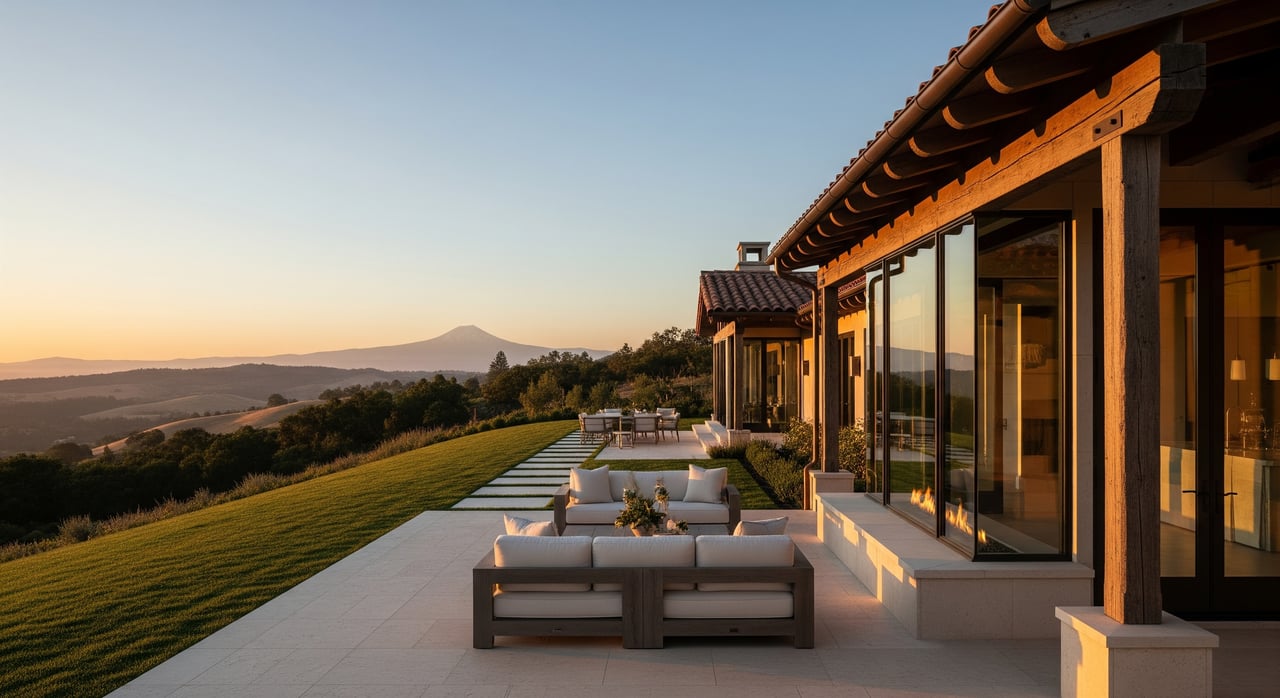
Alamo tilts toward larger, custom single‑family homes and estates. Styles range from ranch and Mediterranean to custom contemporary builds. Many lots are half an acre or more, and it is common to see 1‑plus acre properties with extensive landscaping, pools, and room for detached buildings.
Renovation and build notes
In Danville, smaller lots and design guidelines can shape how you add on or modernize, especially in established neighborhoods. In Alamo, larger parcels can make expansions or full replacement builds more feasible from a privacy and siting perspective. On both sides, confirm zoning, setbacks, and any slope or open‑space rules before you plan a project.
Commute and transit
I‑680 corridor reality
Both Danville and Alamo sit on the I‑680 corridor, which connects to I‑580, I‑80, and the Bay Bridge routes. Congestion is common during peak times, and commute length varies widely by time of day. Many residents drive to nearby job centers in Walnut Creek or Concord, or south along the corridor.
BART access by car
Neither town has a BART station. Most commuters drive to nearby stations such as Walnut Creek, Pleasant Hill, or Concord, then continue by rail into Oakland or San Francisco. Local connector buses serve parts of both communities, and convenience varies by route.
Parking and daily driving
If minimizing car time is a priority, Danville’s denser center can trim short trips for school runs or errands. Alamo’s larger lots usually provide more on‑site parking and garage space, but daily errands typically mean longer local drives.
Trails and outdoor access
Everyday walks and bike loops in Danville
Danville offers multi‑use paved paths and neighborhood trail connections that support walking, jogging, and short family bike rides. Village‑area loops make it easy to get outside without a car. Parks and greenways are integrated into residential areas in several neighborhoods.
Trailheads and open space near Alamo
Alamo residents enjoy quick reach to foothill trailheads and larger natural‑surface trail systems. Proximity to open space suits longer hikes and mountain biking, often with quieter trail access. Many outings start with a short drive to regional preserves.
Which weekend fits you
If you value frequent, car‑free walks to parks and a coffee stop, Danville’s village neighborhoods shine. If you want quiet acreage and fast access to hills and wilderness, Alamo often aligns better with that lifestyle.
Amenities and daily life
Retail and dining patterns
Danville features a walkable downtown with restaurants, cafes, boutique shopping, and regular community events like farmers markets and street fairs. Larger retail clusters and big‑box options are a short drive away. Alamo’s commercial hubs are smaller and more dispersed, so you will likely drive for most errands, with expanded shopping and dining close by in larger regional centers.
Schools and family services
Both communities attract families and offer access to public and private K–12 options. Specific attendance boundaries vary by neighborhood, and programs change over time. If schools are a priority, confirm boundaries and offerings directly with the appropriate district offices.
Recreation and clubs
Recreation programs, community centers, and private clubs are available in or near both towns. Alamo’s larger properties often support private amenities such as pools or sport courts. Danville’s setup favors quick reach to organized activities and community events in the village core.
Governance and permits
Incorporated vs unincorporated
Danville is an incorporated town with municipal planning, permitting, and design review guiding development. Alamo is primarily unincorporated under Contra Costa County, which uses county zoning and review processes. If you plan to remodel or build, this difference can affect timelines, design requirements, and submittal steps.
Utilities, HOAs, and site details
Most homes in both areas use municipal utilities, but larger estate lots may have unique systems or constraints. Always check for HOA rules, CC&Rs, and any gated community guidelines. On sloped or open‑space‑adjacent parcels, review setbacks, lot coverage, and potential easements.
Quick comparison checklist
Choose Danville if you want:
- A village‑style, walkable downtown with frequent community events.
- Shorter local trips for errands, dining, and recreation.
- A range of housing types, including small to moderate lots that are easier to maintain.
Choose Alamo if you want:
- Larger lots, privacy, and an estate‑style environment.
- Room for significant additions, detached structures, or private outdoor amenities.
- A quieter, lower‑density setting and do not mind more driving for errands.
How to decide with confidence
Map your routine
Think through your weekdays and weekends. List your top priorities, such as yard space, walkable coffee runs, daily commute stress, or weekend trail access. Rank these to see which town aligns most with your daily rhythm.
Verify the details
- Check parcel maps and aerials to confirm lot size and privacy.
- Run sample commutes during actual peak times to gauge stress and timing.
- Review zoning, setbacks, slope rules, and any open‑space constraints before planning renovations.
- Confirm school attendance boundaries and program options with district offices.
- Ask about utilities and any HOA or gated community rules that affect your plans.
Tour like a local
Visit candidate neighborhoods at different times of day and on weekends. Walk or drive the routes you would use most, from school runs to grocery stops and trailheads. Pay attention to lighting, traffic flow, and street maintenance so you get an authentic read on day‑to‑day life.
Next steps
If you are debating Danville versus Alamo, a guided shortlist can save you time and second‑guessing. With white‑glove buyer representation and hyperlocal expertise in both markets, The Money Group helps you align property features with your lifestyle, then negotiates to secure the right home on the right terms. Ready to compare on the ground and refine your must‑haves? Connect with Cynthia Money for a personalized consultation.
FAQs
What is the key lifestyle difference between Danville and Alamo?
- Danville emphasizes a walkable village core with shorter local trips, while Alamo offers larger lots, more privacy, and a quieter, lower‑density feel that typically requires more driving for errands.
How do commutes to BART work from Danville and Alamo?
- Neither town has a BART station, so most commuters drive to nearby stations such as Walnut Creek, Pleasant Hill, or Concord, then continue by rail into Oakland or San Francisco.
How do lot sizes typically compare in each area?
- Danville offers small to moderate lots in older areas and larger parcels on the edges, while Alamo more often features half‑acre to multi‑acre lots and estate settings.
What should I check before planning a renovation?
- Confirm zoning, setbacks, slope or open‑space constraints, and any HOA or gated community rules, noting that Danville follows town processes and Alamo follows county processes.
Where will I find easier everyday walkability?
- Danville’s village neighborhoods offer more walkable access to dining, shopping, and short recreational loops, while Alamo’s layout is more car‑oriented.
How close are parks and trail systems to each community?
- Both have strong access to regional open space, including nearby foothills and trail networks, with Danville favoring local paved paths and Alamo favoring quick reach to larger natural‑surface trail systems.